
Best Indian Desserts in Singapore
Updated 27 September 2026
Traditional sweet shops
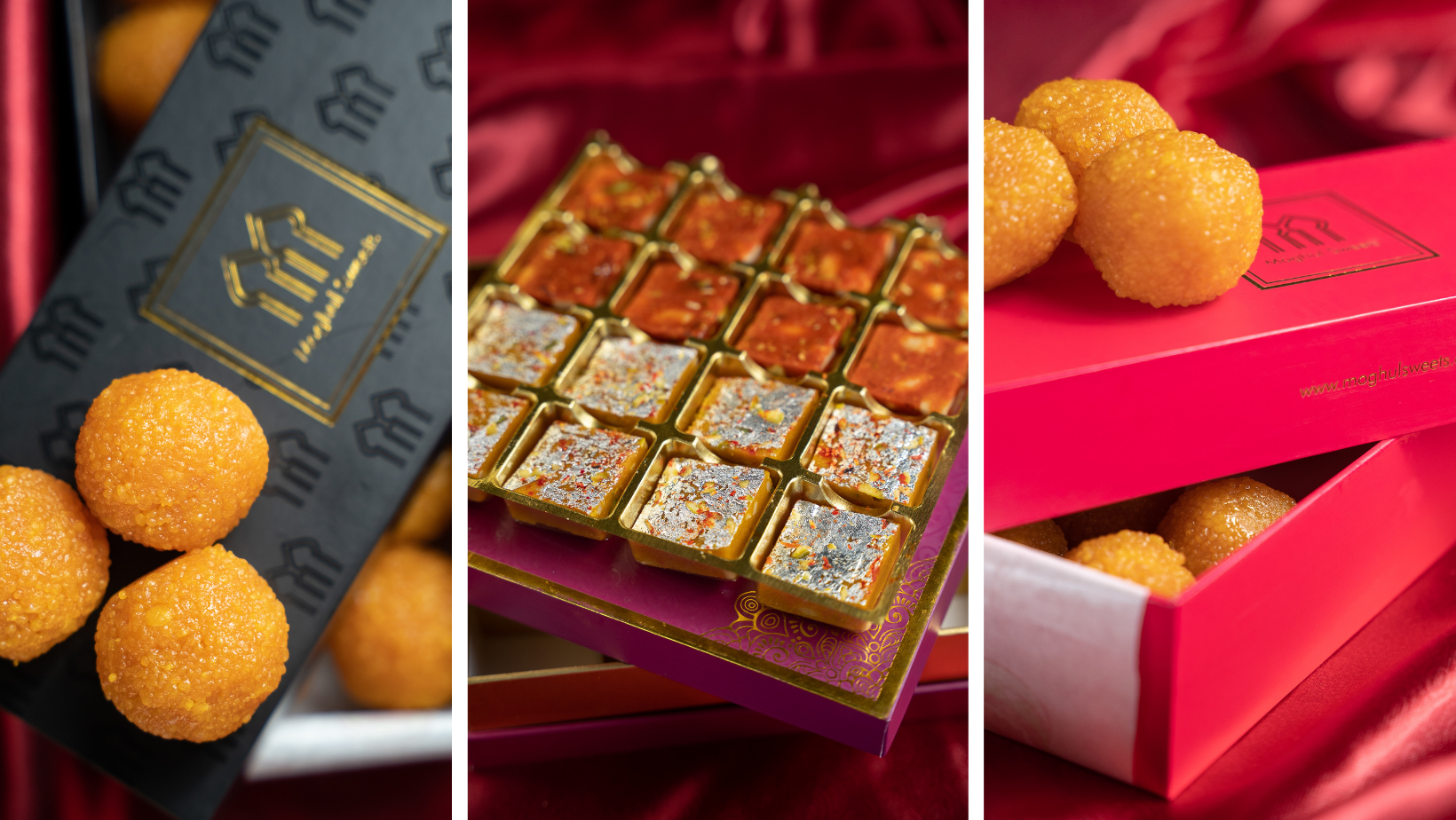
Try: Pandan gulab jamun
Tucked into the Little India Arcade on Serangoon Road, Moghul is often cited as the oldest Indian sweet shop in Singapore — and still the first stop for many when a mithai craving hits. The gulab jamun is the order: denser and smaller than most, its syrup subtly infused with pandan, a quiet Southeast Asian twist you won't find back in India, finished with chopped pistachios. The jalebi is thick and juicy with a saffron-heavy syrup. It's a counter operation built for takeaway by the box, open 9.30am–9.30pm daily — priced for stocking up before Deepavali.
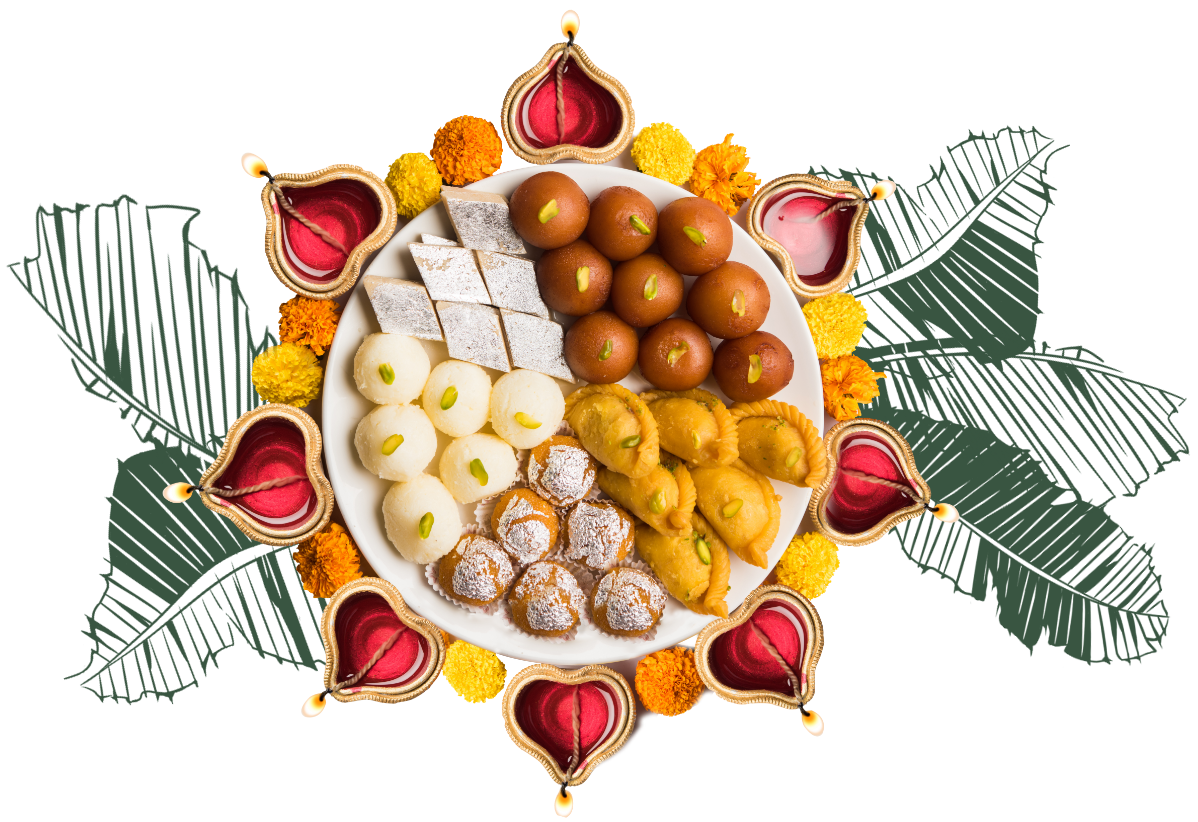
Try: Gulab jamun
A long-running Serangoon Road institution, Komala Vilas has fed Little India's vegetarian crowd for decades, and its sweets are as much a draw as its dosai. The gulab jamun is the classic done right — soft, melt-in-the-mouth, with a light syrup that keeps it from tipping into cloying — and the carrot halwa is the other order worth making. With outlets along Serangoon Road and on Upper Dickson Road and doors open from 7am to 10.30pm, it's the most reliable sweet stop in the neighbourhood, whether you want an early-morning mithai or a late one.
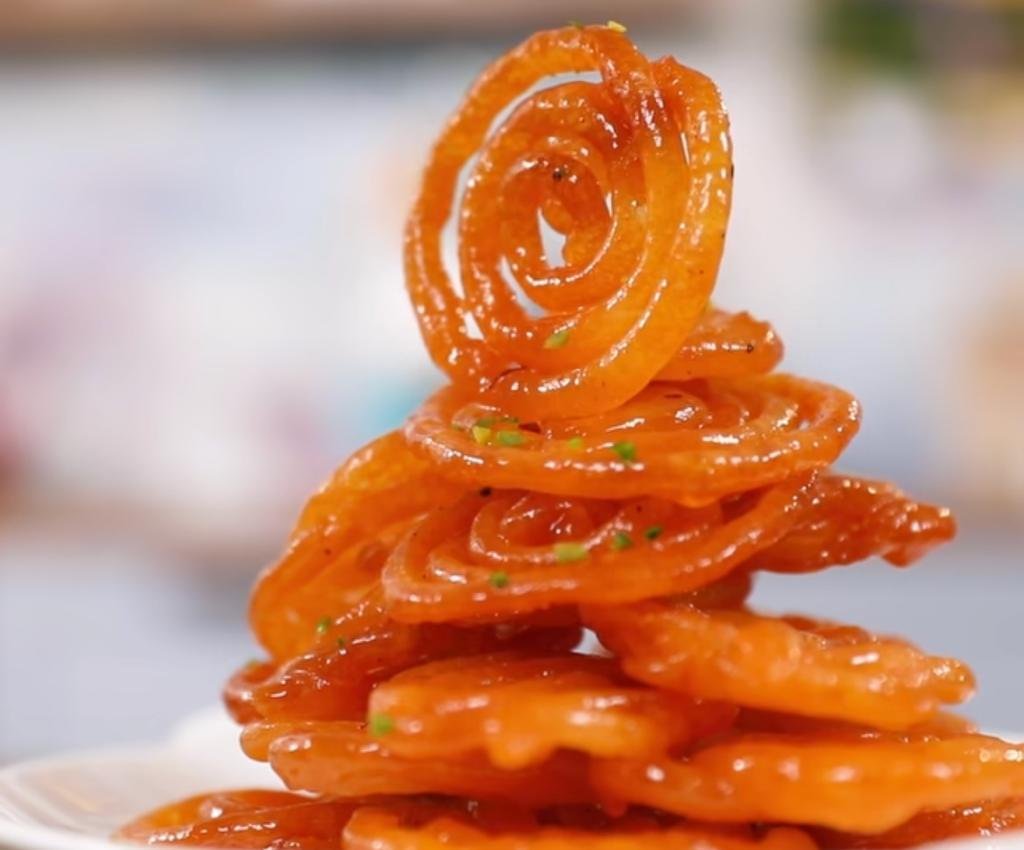
Try: Jalebi
Just across from Mustafa Centre on Syed Alwi Road, Ballaji Bhawan is the highest-rated sweet shop on this list — and it earns it with range. Where most counters stick to a North Indian repertoire, Ballaji spans both North and South, so the case runs from gulab jamun to rasgulla to a broad spread of traditional mithai. The jalebi is the standout: made fresh daily, crisp and golden with an aromatic syrup. It's the pick when you want to build a mixed box and cover more ground than a single-region shop allows.
Try: Cardamom gulab jamun
A few units down from Moghul in the same Serangoon Road arcade, Ganesan Villas is the humble, no-frills counter locals reach for when they want mithai made fresh that morning. The gulab jamun leans home-style — soft, pillowy, gently sweet, with a cardamom-scented syrup rather than the heavier rose most shops use. The jalebi is chewier and a deeper amber than the crisp versions elsewhere, with a syrup that stops short of too-sweet — the nostalgic bite regulars come back for. Open 9am–9.30pm daily; cash-and-carry, no frills.
Try: Gulab jamun
The international name on this list — Bikanervala is a sprawling Indian sweets-and-snacks chain, and its Singapore outposts in Katong and Changi Airport Terminal 3 bring that consistency. The gulab jamun is textbook: soft, spongy, drinking up a rose-scented syrup, often finished with a sheet of edible silver leaf for festive occasions. The jalebi runs thin and crunchy rather than thick and chewy. It isn't the most characterful shop here, but it's the most dependable — and the airport branch makes it the easy last-minute Deepavali gift, or something sweet before a flight.
Restaurants worth staying for dessert
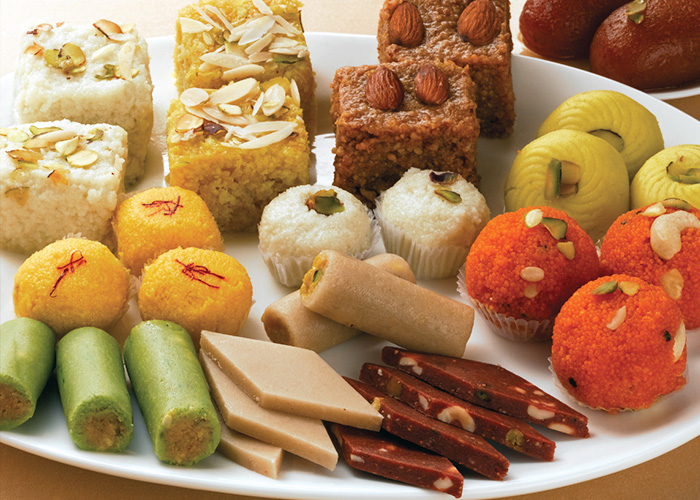
Try: Jamun-e-Jannat (gulab jamun on rabdi)
A North Indian name with outlets from Little India to Changi Business Park, Kailash Parbat is best known for chaat and a proper sit-down meal — but the dessert to stay for is the Jamun-e-Jannat. It sets warm gulab jamun on a bed of rabdi (thickened, sweetened milk) and showers it with chopped nuts; you can also order it plain, in a rose-flavoured sugar syrup. It's a clear step up in richness from a takeaway gulab jamun, the kind of finish that justifies lingering after the mains. Kulfi rounds out the dessert list.

Try: Saffron gulab jamun with ice cream
Mustard is a rarity — a restaurant cooking both Bengali and Punjabi, two of India's great sweet-making traditions, under one roof on Race Course Road. The gulab jamun reflects that care: served warm, its syrup tinted and perfumed with saffron, and often paired with a scoop of ice cream so the hot-and-cold contrast does the work. The kulfi is the other regional pull. It's a proper sit-down dinner spot rather than a counter, so this is dessert to end a meal with, not grab on the move — worth the Race Course Road detour.
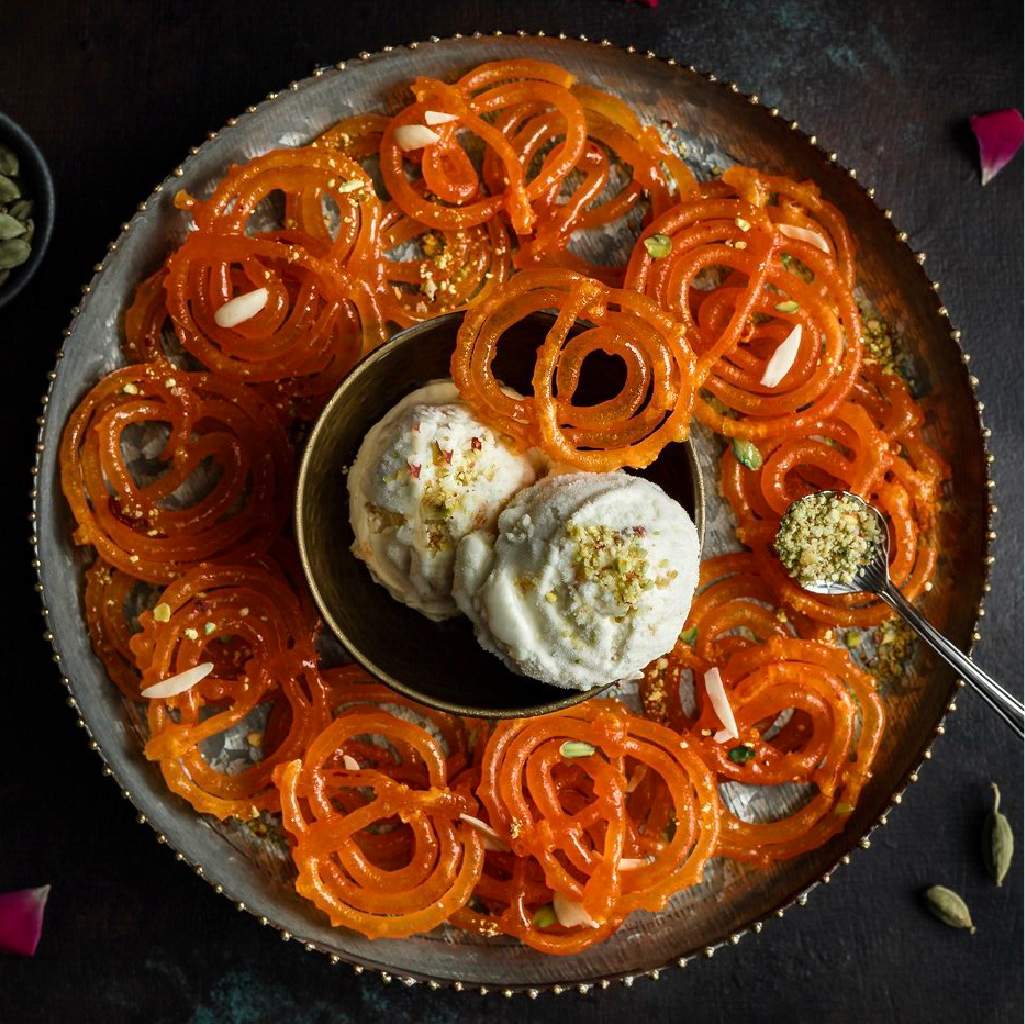
Try: Jalebi with rabdi
On Cuppage Terrace, a short walk off Orchard Road, The Curry Culture is the most central sit-down option here — and its signature dessert is a smart one. The jalebi comes plated with rabdi: thin, glassy-crisp spirals against cool, thickened milk, a pairing that lifts a humble street sweet into a restaurant dessert. It's the reason to save room at the end of a North Indian meal here. Open 11am to 11pm, it's the pick when you want Indian dessert without leaving the Orchard belt for Little India.

Try: Berry-coulis gulab jamun
A casual eatery right on Orchard Road, 27 Degrees West takes a more playful line with its sweets. The gulab jamun gets a European-Indian fusion treatment — drizzled with berry coulis and dusted with powdered sugar, the fruit's tartness cutting against the classic sweetness. Rasmalai and kulfi are on the list too for traditionalists. With the kitchen open until midnight on Fridays and Saturdays, it doubles as a rare late-night Indian dessert stop in the city centre — handy when Little India's counters have already shut for the night.
Modern & fine-dining
Try: Chocolate & pista gulab jamun
Dessert at Raffles Hotel's Tiffin Room is a different proposition entirely. One of Singapore's most historic North Indian dining rooms, it does refined tiffin-box service with freshly ground spices under award-winning chef Kuldeep Negi — and treats its sweets with the same seriousness. The gulab jamun is lighter and airier than the classic, offered in inventive variations including a chocolate rendition finished with chocolate sauce and a pistachio version. The kesari petha kulfi falooda and millet kheer are the other showpieces. This is the special-occasion end of the spectrum: dress up, book ahead, and treat dessert as the event.

Try: Pistachio kulfi
The highest-rated place on this entire list, Thevar is a modern Indian grill on Keong Saik Road with a serious reputation for inventive cooking — dessert included. The standout is the pistachio kulfi, part of a programme that reinterprets Indian sweets through a contemporary, chef-driven lens rather than serving them straight. It's an intimate, dinner-only room (closed Sundays and Mondays) where a table is worth booking ahead. Come here when you want Indian dessert as the finale to a genuinely special meal, not a familiar comfort — this is the most ambitious kitchen in the guide.

Try: Khoya gulab jamun
Set inside The Shoppes at Marina Bay Sands, Punjab Grill does gourmet North Indian in a plush, fine-dining register — and its dessert plating matches the room. The gulab jamun is made the classic way with khoya, finished with a hint of rose water and dressed up with slivered almonds and a leaf of edible silver. Rasmalai and kulfi complete a polished dessert list. It's a natural close to a special dinner on the Bay, especially if you're already at Marina Bay Sands — the sort of setting where an elegantly plated gulab jamun feels right at home.

Try: Tableside-flambéed gulab jamun
For pure theatre, Rang Mahal at the Pan Pacific is the pick. This long-running fine-dining room flambés its gulab jamun tableside with liquor — a warm, aromatic bit of drama — and pulls the sweetness right back so it lands as a refined dessert rather than a sugar hit, served alongside fresh fruit. The jalebi gets the same elevated treatment: delicate spirals with a glassy crunch, plated for the dining room. It's the most performative dessert experience on the list, and a memorable close to a celebration meal near Marina Square.
Frequently asked questions
Where are the best Indian sweet shops in Singapore?
Little India is the heart of it. Moghul Sweet Shop (often called Singapore's oldest), Komala Vilas and Ganesan Villas are all on or just off Serangoon Road, while Ballaji Bhawan sits opposite Mustafa on Syed Alwi Road. For a reliable chain, Bikanervala has outlets in Katong and at Changi Airport Terminal 3. These are traditional counters built for takeaway mithai by the box.
Where can I get the best gulab jamun in Singapore?
It depends on the style you want. For a traditional take, Moghul's pandan-infused version and Kailash Parbat's Jamun-e-Jannat (served on a bed of rabdi) stand out. For a modern plating, Rang Mahal flambés it tableside, Punjab Grill finishes it with edible silver leaf, and Tiffin Room offers chocolate and pistachio variations. 27 Degrees West does a fusion version with berry coulis.
Is there good Indian dessert outside Little India?
Yes. The Curry Culture and 27 Degrees West are on and around Orchard Road; Punjab Grill is at Marina Bay Sands; Tiffin Room is in Raffles Hotel; Thevar is on Keong Saik Road; Rang Mahal is at the Pan Pacific near Marina Square; and Bikanervala has a Katong outlet. Little India has the highest concentration of traditional sweet shops, but the sit-down and fine-dining options spread across the city.
Which Indian restaurants do the best fine-dining or plated desserts?
Tiffin Room at Raffles Hotel (chocolate and pistachio gulab jamun variations), Thevar on Keong Saik (the highest-rated on our list, known for its pistachio kulfi), Punjab Grill at Marina Bay Sands, and Rang Mahal at the Pan Pacific (tableside-flambéed gulab jamun) are the standouts for a special occasion.
Where can I buy Indian sweets for Deepavali in Singapore?
The traditional sweet shops in Little India — Moghul, Komala Vilas, Ganesan Villas and Ballaji Bhawan — are built for exactly this, selling mithai by the box. Ballaji Bhawan has the widest spread if you want a mixed box covering both North and South Indian sweets. Bikanervala is a reliable chain alternative, and its Changi Airport outlet makes it the easy last-minute gift. Order ahead during the Deepavali period, as these shops get very busy.
When is Deepavali 2026, and when should I order mithai?
Deepavali falls on Sunday 8 November 2026 in Singapore, with Monday 9 November observed as the public holiday. The Little India sweet shops get busiest through late October and the first week of November. For a simple box off the counter you can usually walk in, but for larger or custom orders it's worth calling a few days ahead — and earlier still if you need it on the weekend immediately before.
Do any Singapore restaurants do Deepavali mithai gift boxes?
Several of the hotel and fine-dining Indian restaurants have offered festive mithai boxes in past years — Tiffin Room at Raffles Hotel, Rang Mahal and Shahi Maharani among them — typically handcrafted assortments sold for a limited window around the festival. These change year to year and sell out, so check directly with the restaurant for current availability rather than assuming last year's box is back.
Are Indian sweet shops in Singapore vegetarian or halal?
Many are vegetarian — Komala Vilas and Nalan are well-known vegetarian institutions, and most mithai is inherently vegetarian, being milk- and sugar-based. Halal certification varies by venue, so check directly if it matters to you. For desserts in a certified-halal setting, see our separate halal desserts guide.
What's the difference between jalebi and gulab jamun?
Both are syrup-soaked, but they're quite different. Jalebi is a coiled batter fried into crisp spirals and dunked in syrup — light and crunchy. Gulab jamun is a soft, fried milk-solid dumpling soaked until it's spongy and rich. If you like crunch, start with jalebi (Ballaji Bhawan, Moghul); if you like soft and rich, go for gulab jamun.
How much do Indian desserts cost in Singapore?
Traditional sweet shops are cheap — expect a few dollars for takeaway mithai by weight or per piece, which is why most shops on this list are marked $ or $. Sit-down restaurant desserts run higher, and the fine-dining rooms (Tiffin Room, Thevar and Rang Mahal, marked $$) price desserts as part of a full à la carte or set-menu experience.